
A tankless water heater is a convenient and efficient system for many homes, but when a water line fails, the damage can happen quickly.
Many Las Vegas homeowners do not think of the garage as a major water damage risk. But garages often contain plumbing lines, water heaters, tankless water heater systems, soft water systems, drywall, storage items, and utility areas. When a line breaks or starts leaking, water can spread into nearby materials before the damage is fully visible.
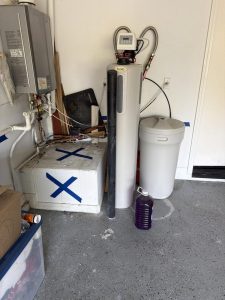
A leak may start near the tankless water heater, but it can quickly affect garage drywall, base materials, raised platforms, stored belongings, and nearby structural areas.
That is why fast water mitigation matters.
At Elevate Restore, we help homeowners and businesses in Las Vegas respond quickly after unexpected water damage. Whether the loss comes from a tankless water heater, broken pipe, appliance leak, water heater failure, or plumbing line issue, our team focuses on assessing the damage, stabilizing the property, and starting the drying process before the problem gets worse.
Why Tankless Water Heater Leaks Can Cause Serious Garage Water Damage
Tankless water heaters are often installed in garages, mechanical rooms, utility closets, or exterior-adjacent areas. These spaces may not always be checked daily, which means a leak can continue for hours before someone notices it.
When a tankless water heater line fails, the water does not always stay in one spot. It can spread along the floor, soak into drywall, collect near base materials, or affect the platform or pedestal area around the unit.
Depending on how long the leak continues, water may damage:
- Garage drywall
- Baseboards or wall trim
- Raised pedestal or platform areas
- Framing or support materials
- Stored boxes and belongings
- Nearby insulation or wall cavities
- Adjacent rooms or shared walls
- Flooring materials near the affected area
Even if the garage floor is concrete, the surrounding materials can still absorb moisture. Drywall, wood framing, trim, and stored contents are all vulnerable to water damage.
This is why a garage water loss should never be ignored.
The Damage You See May Not Be the Full Problem
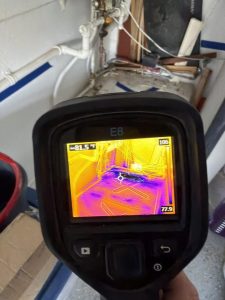
One of the most common mistakes after a water leak is assuming that the visible water is the only issue.
A homeowner may see water on the garage floor and think it only needs to be wiped up. But water damage often extends beyond what can be seen from the surface.
Drywall can absorb moisture from the bottom up. Water can travel behind walls. Base materials can swell or deteriorate. Stored items can trap moisture against the wall. If the area is not properly inspected and dried, the damage can continue even after the leak has stopped.
Hidden moisture may lead to:
- Swollen or soft drywall
- Staining near the affected area
- Musty odors
- Damaged base materials
- Warped or weakened materials
- Moisture behind wall surfaces
- Damage to stored belongings
- Possible mold or microbial concerns
Professional water mitigation helps identify where the water traveled, which materials are affected, and what needs to happen next.
What Water Mitigation Means After a Tankless Water Heater Leak
Water mitigation is the first step after a water damage event. It is not just cleanup. It is the process of reducing further damage and stabilizing the property.
After a tankless water heater leak, mitigation may include inspection, moisture readings, equipment placement, water extraction if needed, removal of affected materials, and drying of the impacted area.
The goal is to stop the damage from spreading and create the right conditions for restoration.
At Elevate Restore, our water mitigation process typically starts with an on-site assessment. Our team identifies the source of the loss, checks affected areas, documents the damage, and determines how far the moisture has moved.
From there, we create a plan to stabilize the property.
Depending on the situation, this may include placing professional drying equipment, removing damaged drywall or materials, protecting nearby contents, and monitoring the drying progress.
Every job is different, but the priority is always the same: protect the property and prevent additional damage.
Why Stabilization Is So Important
When water damage happens, stabilization should begin as soon as possible.
Stabilization means taking immediate action to control the moisture and prevent the affected area from getting worse. This is especially important when damage happens before a weekend, holiday, or time when the homeowner may not be available.
Water does not wait.
If moisture remains inside drywall, base materials, or wall cavities for too long, the scope of damage can grow. What starts as a small garage leak can become a larger mitigation project if the affected materials stay wet.
Fast stabilization can help reduce:
- Additional drywall damage
- Longer drying times
- Odor concerns
- Damage to stored belongings
- Moisture spreading into nearby materials
- Potential mold-related concerns
- More disruptive repairs later
The faster a professional team can place equipment and begin drying, the better the chance of controlling the loss.
Why Professional Drying Equipment Matters
Many homeowners try to dry water damage with towels, household fans, or by leaving the garage door open. While that may help with surface moisture, it is usually not enough for a real water damage situation.
Professional water mitigation equipment is designed to dry affected areas more effectively and control moisture in the environment.
This may include:
- Air movers
- Dehumidifiers
- Moisture meters
- Drying systems
- Containment when needed
- Monitoring tools
The equipment is placed based on the location and severity of the damage. Moisture levels are also monitored during the drying process to make sure the affected materials are drying properly.
Without moisture monitoring, it is easy to think an area is dry when water is still trapped behind the wall or inside the materials.
Garage Water Damage Can Affect More Than the Garage
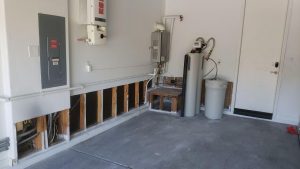
A garage is often connected to important parts of the home.
It may share walls with living areas, laundry rooms, hallways, storage spaces, or bedrooms. It may also contain valuable belongings, tools, equipment, and household systems.
When water damage happens in the garage, the goal is not only to dry the immediate area. The goal is to make sure the moisture has not traveled into nearby spaces or affected hidden materials.
That is why a professional inspection matters.
A trained water mitigation team can check surrounding areas, identify moisture patterns, and help prevent missed damage.
What To Do If Your Tankless Water Heater Starts Leaking
If you notice water near your tankless water heater, act quickly.
First, shut off the water source if it is safe to do so. Avoid touching electrical components or standing water near electrical systems. Move nearby stored items away from the affected area if they can be safely relocated.
Next, call a professional water mitigation company.
Do not wait to see if the area dries on its own. Water damage can spread behind drywall and into materials that may not look wet from the outside.
The sooner the area is assessed, the sooner the property can be stabilized.
When To Call Elevate Restore
You should call Elevate Restore if you notice:
- Water near your tankless water heater
- Wet drywall in the garage
- A failed water heater line
- Water pooling near a garage wall
- Damp or swollen base materials
- Musty odors after a leak
- Water damage around a raised platform or pedestal
- Moisture near stored belongings
- Staining or soft drywall
- Water damage that happened while you were away
Even if the leak has stopped, the damage may still be active if moisture remains inside the materials.
Helping Las Vegas Homeowners Move Forward
Water damage is stressful, especially when it happens unexpectedly.
Most homeowners are not prepared for a tankless water heater line failure or garage water damage. They may not know how far the water traveled, whether the drywall needs to be removed, how long drying will take, or what steps to take with an insurance claim.
Elevate Restore helps make the process clearer.
Our team responds quickly, assesses the damage, places equipment when needed, documents the affected areas, and helps guide the mitigation process from start to finish.
We understand that water damage is more than a property issue. It interrupts your schedule, your home, and your peace of mind. Our goal is to help stabilize the situation and move the property toward restoration as efficiently as possible.
Contact Elevate Restore for Water Mitigation in Las Vegas
A tankless water heater leak can cause serious damage in a short amount of time.
If your garage, drywall, pedestal area, or nearby materials were affected by a water heater line failure, do not wait for the damage to spread.
Elevate Restore provides professional water mitigation services in Las Vegas and surrounding areas. Our team can assess the damage, stabilize the property, place drying equipment, and help you move forward with the next steps.
Call Elevate Restore today at for water mitigation in Las Vegas.