
A water leak can look small at first.
A shower leak. A water heater leak. A slow drip behind a wall. Moisture under flooring. A damp closet. A wet baseboard that does not seem like a big deal.
But when water sits inside building materials, mold can become a serious problem.
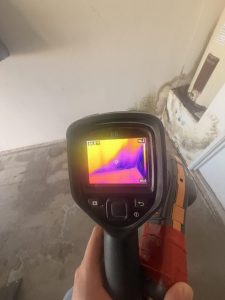
For homeowners in Las Vegas, mold after water damage is something that should never be ignored. Even in a dry climate, mold can grow when moisture becomes trapped behind drywall, under cabinets, inside wall cavities, beneath flooring, or along baseboards.
At Elevate Restore, we help homeowners identify water damage, contain affected areas, remove contaminated materials, and move through the mold remediation process with a clear plan.
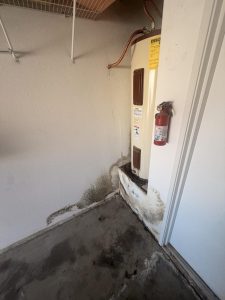
Why Mold Can Appear After a Water Leak
Mold needs moisture to grow.
When a leak is caught quickly and dried properly, the risk of mold can be reduced. But if the leak has been active for days, weeks, or even longer, moisture may already be inside materials that cannot dry on their own.
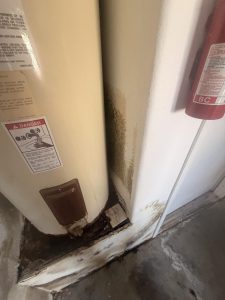
Common causes of mold after water damage include:
- Shower leaks
- Water heater leaks
- Plumbing leaks
- Sink leaks
- Appliance leaks
- Toilet overflows
- Moisture behind drywall
- Water under flooring
- Leaks inside cabinets
- Water damage in closets, garages, bathrooms, or laundry rooms
A leak may be repaired, but that does not always mean the water damage is gone. If drywall, cabinets, baseboards, or flooring stayed wet, mold may still be present.
Signs You May Need Mold Remediation
Sometimes mold is visible. Other times, the warning signs are more subtle.
Homeowners should call for a professional mold inspection or mold remediation assessment if they notice:
- Visible mold on drywall, baseboards, cabinets, or flooring
- A musty smell after a leak
- Swollen baseboards
- Soft or damaged drywall
- Discoloration on walls or ceilings
- Cabinets that feel damp, soft, or rotten
- Flooring that feels lifted or warped
- Moisture that keeps returning
- Mold around a shower, sink, water heater, or laundry area
- Water damage that was not dried professionally
Mold can also be hidden on the back side of drywall or inside wall cavities. That is why surface cleaning is not always enough.
Why Wiping Mold Is Not a Real Solution
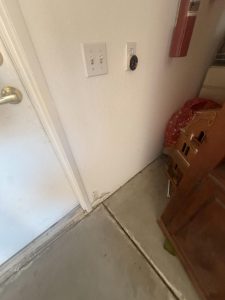
A lot of homeowners try to clean visible mold with household sprays, bleach, or towels.
That may make the surface look cleaner for a short time, but it does not solve the source of the problem. If moisture is still present inside the wall, cabinet, baseboard, or flooring, the mold can return.
Worse, disturbing moldy materials without containment can spread spores into other areas of the home.
Professional mold remediation is different from regular cleaning. It focuses on controlling the work area, removing affected materials when needed, cleaning the structure, and addressing the moisture issue that caused the mold in the first place.
Why Containment Matters
Containment is one of the most important parts of mold remediation.
When mold is found behind drywall, under flooring, or inside cabinets, demolition should not be treated like regular demo. Cutting, tearing, or removing contaminated materials without containment can spread mold particles into clean areas of the property.
Containment helps separate the affected area from the rest of the home while work is being completed.
Depending on the job, containment may include plastic barriers, sealed openings, controlled access, air filtration, and careful removal of affected materials.
The goal is simple: keep the mold work controlled.
What Elevate Restore Does During Mold Remediation
Every mold job is different, but the process often starts with a professional assessment.
Elevate Restore looks at the source of the water damage, the affected rooms, the visible mold, and the materials involved. From there, the team can create a remediation plan.
Mold remediation may include:
- Inspecting the affected areas
- Identifying moisture sources
- Checking drywall, flooring, cabinets, closets, and baseboards
- Setting up containment
- Removing affected materials when necessary
- Cleaning and wiping down affected structures
- Using air filtration when needed
- Sealing or treating exposed materials when appropriate
- Preparing the area for post-remediation clearance testing
- Documenting the work for the customer or insurance process
The goal is not just to make the property look better. The goal is to address the source, control the affected area, and help prepare the home for safe repairs.
Mold After a Shower Leak
A shower leak can lead to mold on drywall, baseboards, flooring, and nearby rooms.
Even after the plumbing issue is fixed, the wall or floor may still hold moisture. If mold is visible on the drywall, the affected material may need to be removed under proper containment.
This is especially important in bathrooms because moisture is already common in that environment. A leak that seems minor can turn into a larger mold issue if the area is not inspected and dried correctly.
Mold After a Water Heater Leak
Water heater leaks can cause even larger mold problems, especially when the leak has been happening for a long time.
Water may travel into a garage, laundry room, closet, kitchen, hallway, bathroom, or nearby living area. Cabinets may rot. Baseboards may swell. Flooring may hold moisture underneath the surface. Drywall may show elevated moisture several inches or feet above the floor.
If visible mold is present after a water heater leak, the situation needs professional attention.
Should You Call Insurance?
If the mold is connected to a water leak, homeowners may want to contact their insurance company to ask about water damage and mold coverage.
Every policy is different. Some policies may include limited mold coverage, while others may have exclusions or special conditions.
Before major work begins, it may help to document the damage with photos, moisture readings, and a professional estimate. Elevate Restore can help document affected areas and explain the scope of mitigation or remediation needed.
What Not To Do If You Find Mold
If you see mold after a water leak, avoid these mistakes:
- Do not start tearing out drywall without containment
- Do not place household fans directly on visible mold
- Do not paint over mold
- Do not assume the leak repair solved the mold issue
- Do not move contaminated materials through clean areas
- Do not wait if the mold is spreading or the odor is getting worse
The safest next step is to have the affected area inspected.
Call Elevate Restore for Mold Remediation in Las Vegas
If you found mold after a water leak, shower leak, water heater leak, or hidden moisture problem, do not wait for it to spread.
Elevate Restore provides mold remediation and water damage restoration services in Las Vegas and surrounding areas. Our team can assess the damage, set up containment when needed, remove affected materials, clean the structure, and help guide you through the next steps.
Call Elevate Restore today at (725) 227-6935 for mold remediation in Las Vegas.